

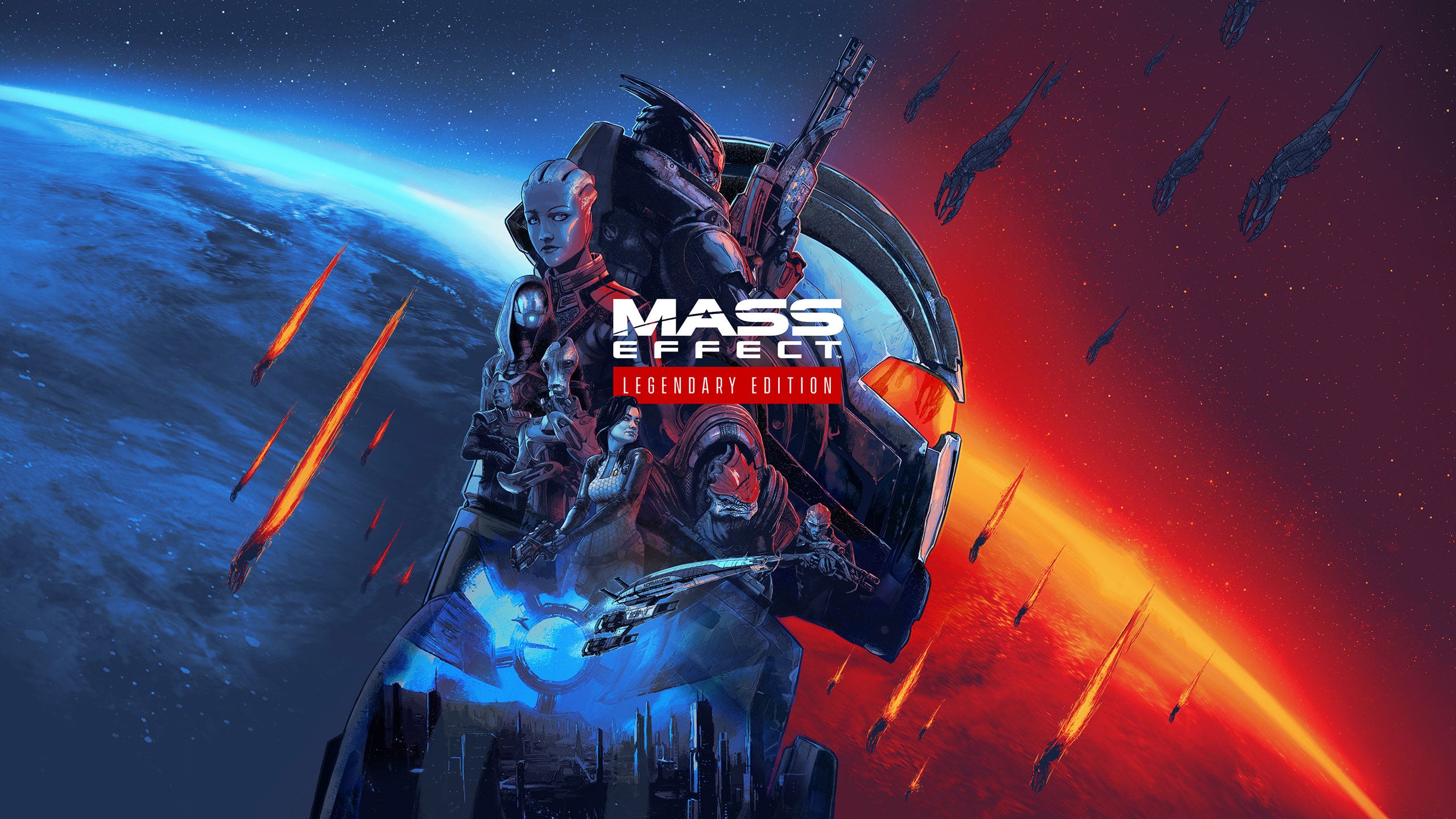
Over the last several weeks, I’ve been replaying the Mass Effect trilogy through Mass Effect Legendary Edition, the remastered collection of all three games.
And I’m an adult in my late 30s with a full-time job that sometimes takes me through some pretty long workdays.
How did I manage that? Here are some of the things that worked for me, and might work for you too.
I Compromised on Session Length
Gone are the days when I regularly started playing at 7 PM and finished at 2 AM. Technically, I can still do that, and sometimes I even find myself ending a session at 1 AM because I really wanted to finish one more mission. The difference is that now I have to get up and work the next morning, and I usually pay for it in energy.
Most of my gaming sessions start somewhere between 8 and 9 PM and end between 11 PM and midnight. That may not sound like much compared with the marathon sessions I remember from when I was younger, but even three two-hour sessions a week add up to 48 hours over eight weeks.
That’s enough time to finish a lot of games.
So, I needed to let go of my outdated idea of how gaming sessions looked. And session length wasn’t the only thing I had to change about how I play.
I Don’t Commit to a Schedule
When you’re a teenager or a student, there’s some consistency to your schedule. You know when your classes are, or you know when school is, and besides time for homework and social engagements you have most of your evenings free.
As a grown adult with a full-time job, my personal life usually begins sometime after 6 PM with me going to sleep at around midnight. That’s roughly six hours where I have to cram gaming and anything else I have going on. And for those of you who have a family, that’s probably also the only time you have with your kids during the work week.
Because of that, I don’t really commit to playing every Sunday or playing exactly twice a week anymore. Something will eventually come up and disrupt that schedule, and I don’t want gaming to become another appointment I failed to keep.
What works better for me is making room for it when I can. If I have a free evening, great. But if plans change I won’t stress about it. Gaming should be guilt-free.
So now that we know what session length and frequency can look like for me as a nerdy adult, let’s talk about the gameplay itself.
I Use the Game’s Natural Stopping Points
Mass Effect in particular is great for the way I play now. Most of the time I’ll be on the Normandy and launch a mission from the galaxy map. A lot of those missions fit comfortably into an hour or so, which means I can usually finish one or two in a session.
Once I finish a mission, I’m back on the Normandy, I can talk to my crew, save the game and finish my session for the day. I also have some time to digest what I just played instead of cramming multiple hours of gameplay into one sitting just to finish the game faster.
What are we playing for? Finishing the game, or enjoying it?
Most games have some kind of natural rhythm to them. It can be a quest, a chapter, a dungeon, a mission, a boss. Being aware of those stopping points makes a long game feel less like one enormous commitment and more like a series of evenings.
I Know What “Finished” Means to Me
Just so we’re clear: when I say I want to “finish” a game, I don’t mean I need to complete everything it has to offer.
For me, “finishing” a game means experiencing everything story-wise.
In Mass Effect 2, I completed the main story, the loyalty missions, and all story DLC the game has to offer. I didn’t scan every planet until there was nothing left to harvest, and I didn’t complete every little Hammerhead mission Cerberus throws at me just because it’s marked on the map.
Once the stories I care about were finished, I was ready to import the save to Mass Effect 3.
If you focus on getting every achievement or earning a Platinum trophy, your definition of “finishing a game” might be completely different. That’s fine. It’s important to be clear about that from the start.
I’m Okay With Skipping Things
One recent game that made this sacrifice crystal clear for me was The Blood of Dawnwalker. You only have 30 days and nights to save your family, and every significant quest or action you complete has a specific time cost.
The only way to see everything Dawnwalker has to offer in one playthrough is to give up on saving your family. Which I didn’t do.
And that maps to our adult life as well. There is a time currency. By the time I get to gaming, I have already spent some of it on work, the gym, family, writing and everything else I have going on.
So I’ve had to learn that it’s okay not doing everything a game puts in front of me. I don’t need every icon on the map just because it exists. If there is a story involved, I’ll probably play the mission. If it’s just another part of the grind like resource gathering, I’m willing to skip it. And that’s coming from a past completionist.
The one time I invested in resource gathering in Mass Effect 2 was before importing the save to ME3. If you had harvested over 100k of each resource, it meant another 100 points for war assets.
I’m at that age where I decide what I want to experience when playing a game in my limited time. I won’t rush through it, I’ll just be picky.
I Stop While I Still Know What Comes Next
When I finish a session on the Normandy, I usually already know which mission I’m going to do the next time I play. Mass Effect is really good about letting you know what the next quest is about when a mission ends. That way, when I load the game again, I’m not spending the first twenty minutes staring at the galaxy map trying to remember what I was doing.
It reminds me a little of Ernest Hemingway’s writing strategy. He talked about stopping his writing sessions before he finished writing what was going to happen next, which made it easier to start again the following morning.
Apparently, that works pretty well for 50-hour RPGs too.